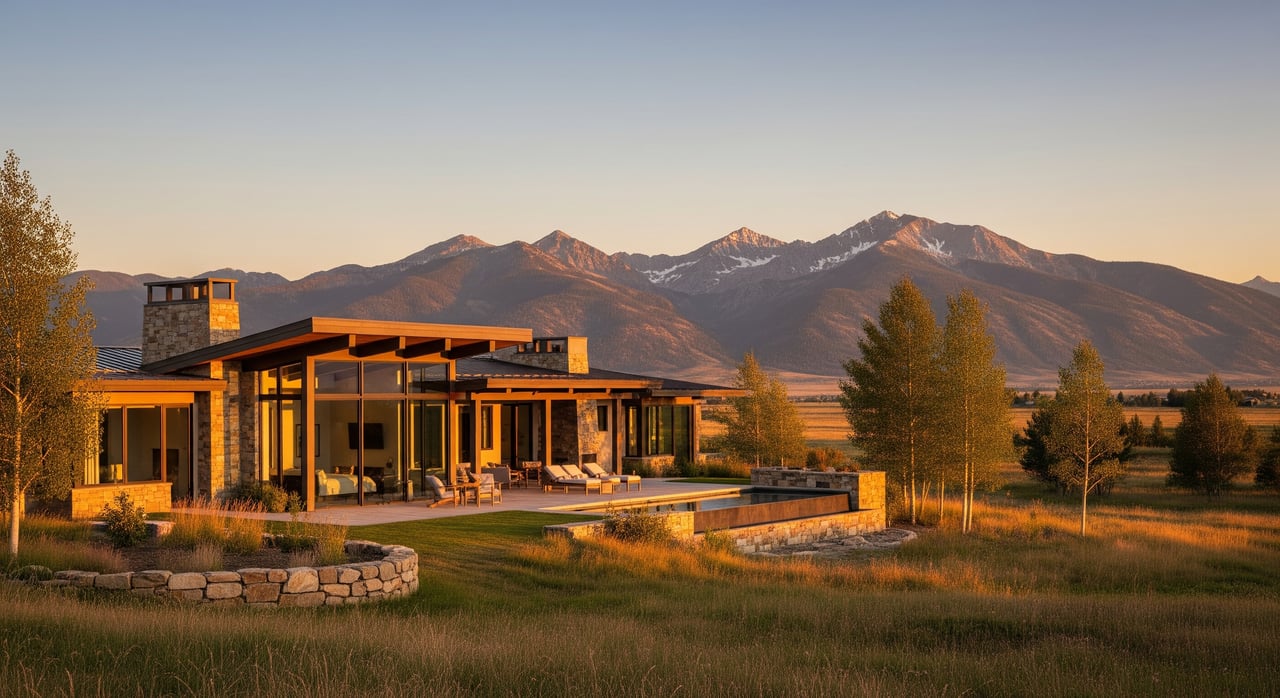
Thinking about making Bozeman your next home base? You are not alone. Many luxury buyers are relocating here for access to mountains, rivers, and a relaxed pace with real services close by. In this guide, you will find clear, practical steps to choose the right micro-area, plan for Big Sky access, weigh risks, and map your relocation timeline with confidence. Let’s dive in.
Bozeman luxury market at a glance
Bozeman and the wider Gallatin Valley have grown steadily for years, driven by Montana State University, outdoor recreation, remote work, and lifestyle migration. Luxury demand is strong, especially for properties with mountain views, acreage, privacy, or downtown walkability. Truly turnkey homes in top locations can be limited, so planning and timing matter.
Prices vary by proximity to downtown, views, lot size, and the age and quality of the build. Buyers often pay a premium for Bridger Mountain or Hyalite views, quick access to Big Sky, larger acreage, and central locations. Montana has no statewide sales tax, and property tax rates tend to be lower than many urban areas, but you should review state income tax and local levies with your advisors. Zoning, permitting, and septic or well rules differ between the City of Bozeman and Gallatin County, so confirm requirements early.
Where to live: micro-areas
Each micro-area offers a distinct lifestyle. Clarify your priorities first, then focus your search.
Downtown Bozeman
- Profile: Walkability, dining and culture, university amenities, short commutes.
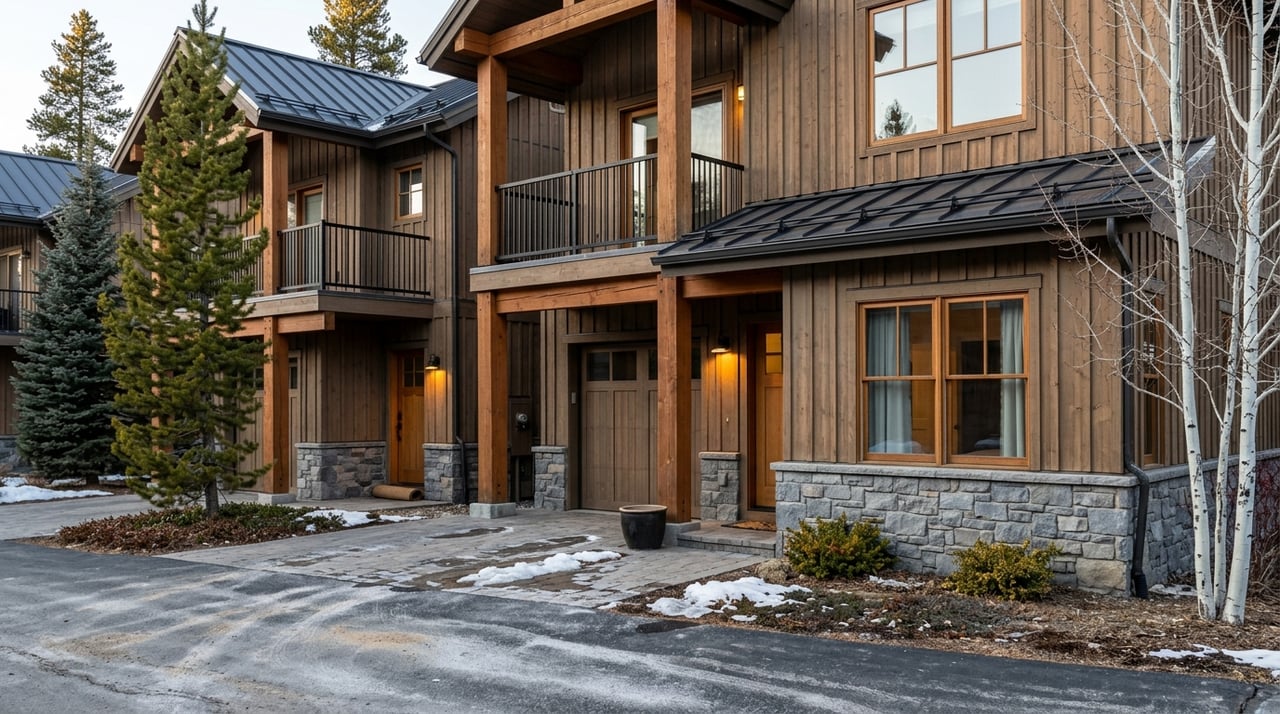
- Typical product: Condos, historic homes, infill luxury townhomes, high-end renovations.
- Pros: Walkable lifestyle and vibrant cultural scene; strong rental demand within local rules.
- Cons: Smaller lots and less privacy; limited large-acreage options.
North Bozeman and Bridger Foothills
- Profile: Mountain views, trail access, and quick drives to Bridger Bowl.
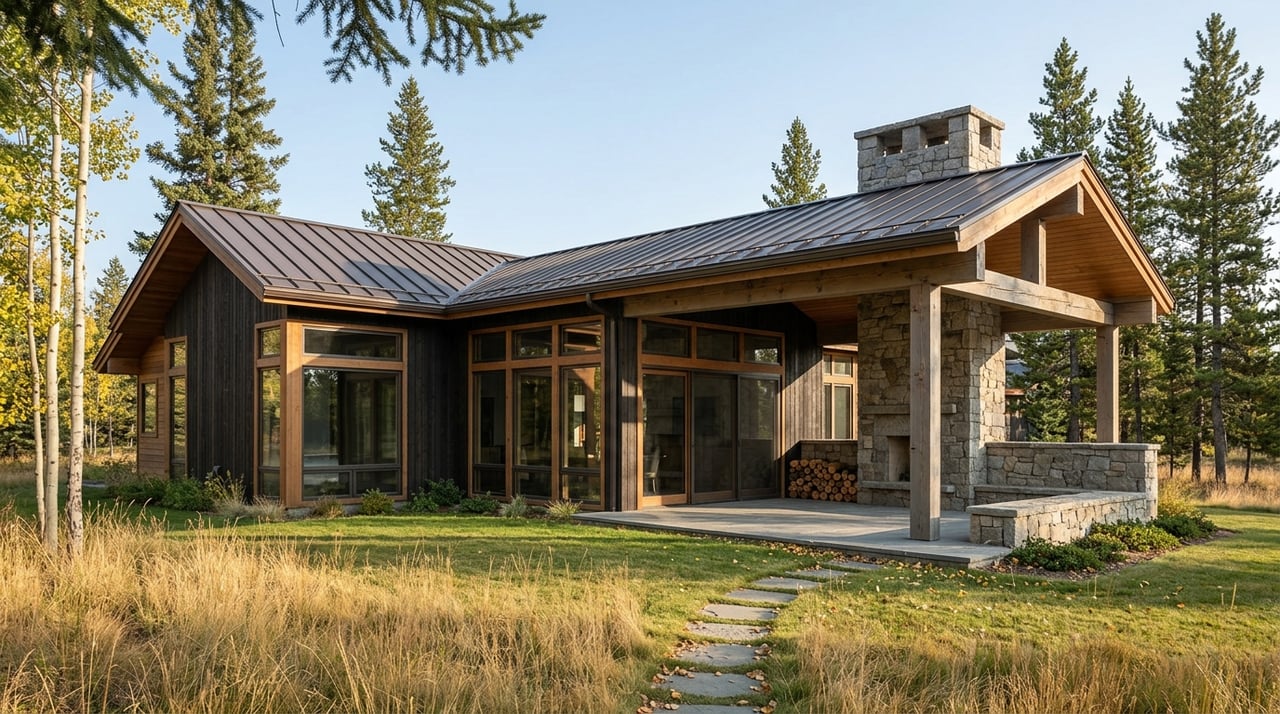
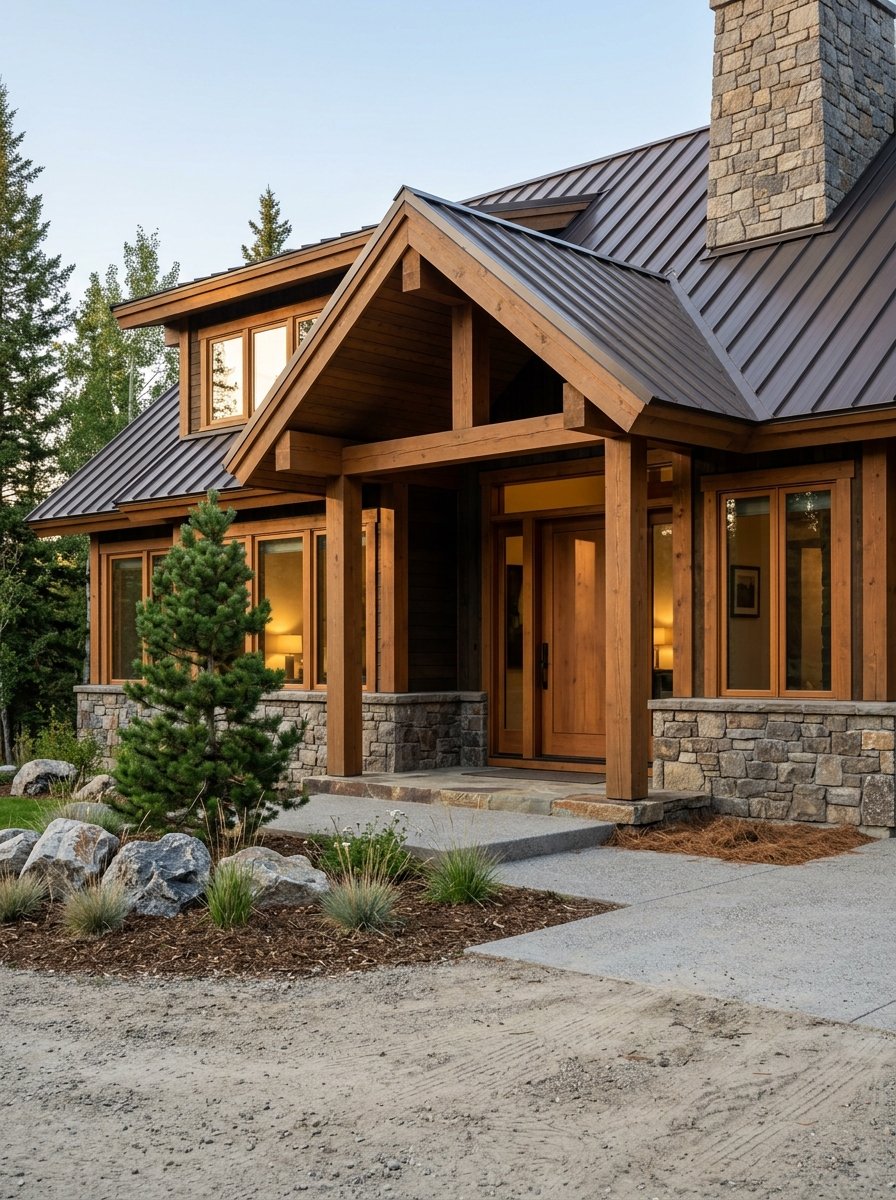
- Typical product: Custom homes, luxury cabins, some equestrian parcels.
- Pros: Scenic ridgelines and immediate trail access; strong sense of place.
- Cons: Steeper lots, winter driveway and road maintenance; some areas near wildfire or avalanche zones.
South and West Bozeman
- Profile: Larger lots, newer construction, and proximity to the airport and services.
- Typical product: New luxury subdivisions, estate lots, suburban homes.
- Pros: Easier airport access and newer infrastructure; potential for larger homesites.
- Cons: More suburban feel and longer drives to certain trailheads or ski access.
Hyalite Canyon and Foothills
- Profile: Backcountry recreation and solitude near Hyalite Reservoir.
- Typical product: Cabins or custom homes on acreage with direct trail access.
- Pros: Immediate outdoor access with year-round trail use.
- Cons: Rural services like well and septic; seasonal road considerations.
Gallatin Valley satellite towns
- Profile: Belgrade, Manhattan, Three Forks, and Gallatin Gateway for acreage and ranch living.
- Typical product: Ranches, hobby farms, large estate parcels.
- Pros: Larger parcels and often lower land cost per acre; quick airport access from Belgrade.
- Cons: Longer commutes to downtown Bozeman and more rural infrastructure.
Big Sky context
- Profile: For buyers prioritizing resort living and ski access.
- Typical product: Ski-in properties, private estates, and resort condos.
- Note: Big Sky is its own market and community. Travel time and seasonal access from Bozeman are key if you split time between the two.
Big Sky access and travel times
If Big Sky is part of your lifestyle, build access into your home search.
- Typical drive times: Downtown Bozeman to Big Sky Village is about 45 to 75 minutes depending on starting point, traffic, and season.
- Airport access: Bozeman Yellowstone International Airport is generally 15 to 25 minutes from downtown Bozeman.
- Primary route: US 191 through Gallatin Canyon. Expect slower travel during winter storms and summer holidays.
- Winter planning: All-wheel drive or 4x4, winter tires, and a snow plan are standard. Driveway design and long private roads can add maintenance costs.
- Alternatives: Charter flights into BZN and private car services are common for luxury travelers. Helicopter or private air access may require specialized approvals.
Lifestyle and amenities
Outdoor access defines the region. You have community skiing at Bridger Bowl near Bozeman and extensive resort terrain at Big Sky to the south. The Gallatin, Madison, and Jefferson rivers offer renowned fishing. Trail networks around Bridger Canyon, Hyalite, and nearby public lands support hiking, biking, and winter recreation.
Bozeman functions as the regional medical hub with hospitals and specialty care. Education includes Bozeman Public Schools and Montana State University, plus private options that you should verify directly for current offerings and capacity.
Risks to evaluate
Mountain and river environments come with unique considerations. Plan for them upfront.
- Wildfire: The wildland-urban interface near foothills can increase risk. Budget for defensible space, fire-resistant materials, and ongoing mitigation.
- Avalanche: Specific steep corridors and foothills may have seasonal risk. Review access routes and siting with local experts.
- Flooding: Parcels near rivers or streams may sit in floodplains. Check FEMA and county maps and factor elevation into due diligence.
- Environmental rules: Stream setbacks, wetlands, and buildability constraints can affect rural parcels. Confirm before you commit.
Everyday logistics that matter
The right infrastructure turns a beautiful property into a livable home.
- Utilities and services: In-town properties often have municipal water and sewer. Many rural homes rely on wells and septic systems, so verify well yield and septic approvals during inspections.
- Internet and communications: High-speed service is common in town and many newer subdivisions. Some rural areas rely on fixed wireless or satellite. Test bandwidth and redundancy if you work remotely.
- Snow and road maintenance: Mountain and rural roads can require shared or HOA maintenance and regular plowing. Factor annual costs into your budget.
- HOAs and covenants: Rules may shape exterior materials, design, guest accommodations, and rental use. Review documents early in the process.
- Short-term rentals: Regulations vary by city and county, and HOAs may have additional rules. Confirm your intended use before making an offer.
- Property management: Second-home owners often hire managers for maintenance, winterization, and guest services. Vet for luxury experience.
Build or remodel planning
If you plan to build or renovate, give yourself time and expert support.
- Permitting: City of Bozeman and Gallatin County processes differ, especially for guesthouses, barns, or specialized structures. Rural builds may require geotechnical, septic, and water studies.
- Timelines: Construction can be influenced by seasonality, labor availability, and supply chains. Set realistic timelines with contingencies.
- Legal and tax: Montana has no sales tax, but state income and property tax planning still matters. Many luxury buyers use trusts or LLCs for privacy and estate planning. Engage local counsel and title professionals.
- Insurance: Wildfire, winter storm, and flood coverage can vary by location. Confirm insurability and potential mitigation steps before writing offers.
Your relocation game plan
Use this staged approach to stay in control from first look to move-in.
Pre-visit planning
- Define your priorities: walkability, privacy, ski or fishing access, acreage, airport access, and rental goals.
- Engage a local luxury buyer agent with relocation and off-market access.
- Research micro-areas and request virtual tours or drone videos if you cannot travel immediately.
- Consult tax and legal advisors on ownership structure and state-to-state implications.
Scouting trip
- Tour at different times of day and in different conditions. Drive to Big Sky and to BZN during peak times to test reality.
- Check cell service and internet speeds at candidate properties.
- Meet with builders, architects, property managers, and firewise contractors if building or remodeling.
Offer and due diligence
- Stack your contingencies: septic and well inspections, structural review, wildfire assessment, and any access easements.
- If remote, plan for escrow logistics or power of attorney. Identify trusted local title and closing attorneys.
- Review HOA documents, covenants, and any rental rules before you finalize terms.
Move and setup
- Secure temporary housing if timing is tight. Many luxury buyers use short-term furnished options while finishing a build or renovation.
- Activate utilities and line up long-term services, including landscape, housekeeping, security, and property management.
- Plan vehicles for winter and set up storage for seasonal gear.
Post-move integration
- Update vehicle registration, driver’s license, and voter registration per Montana requirements.
- Enroll children in school and connect with clubs and activities that fit your lifestyle.
- Implement a defensible-space and year-round maintenance plan.
Bozeman or Big Sky?
Choose based on daily life versus resort priority. Bozeman gives you immediate access to hospitals, university amenities, and an efficient airport drive with year-round services. Big Sky offers full-time resort living and direct ski access. If you split time, weigh commute frequency and winter conditions. Many buyers maintain one home in Bozeman and rely on frequent day trips or overnights in Big Sky.
Why work with a local advisor
The best opportunities are often limited or off-market, and the details matter in mountain environments. A local, relationship-driven advisor can align your short list with your lifestyle, test commute realities, vet infrastructure, surface off-market options, and coordinate the right team for inspections, insurance, and long-term care of the property.
Ready to start your search or refine a plan tailored to your lifestyle? Reach out to Michelle Horning for a discreet, concierge consultation and on-the-ground guidance.
FAQs
How long is the drive from Bozeman to Big Sky?
- Most days, plan for about 45 to 75 minutes depending on your starting point in Bozeman, destination in Big Sky, traffic, and season.
What hidden costs come with mountain or acreage homes?
- Budget for well and septic upkeep, snow removal, private road dues, wildfire mitigation, potential insurance differences, and longer build timelines.
Is internet reliable for remote work across the valley?
- In-town and many newer subdivisions have strong options, while rural areas may rely on fixed wireless or satellite. Test speeds at the exact property.
How close is the airport to downtown Bozeman?
- Bozeman Yellowstone International Airport is generally 15 to 25 minutes from downtown, depending on traffic and conditions.
Are off-market luxury listings common?
- Yes. Many unique properties sell privately. Partner with a well-connected local agent to access these opportunities early.