Choosing between a condo and a mountain home in Big Sky is not just about square footage or style. In a resort market like Big Sky, your decision shapes how you travel, how you maintain the property, and how you use it through every season. If you are trying to decide which option fits your lifestyle, this guide will help you weigh convenience, privacy, rental goals, and ownership responsibilities so you can move forward with clarity. Let’s dive in.
Why Big Sky Changes the Decision
Big Sky is not a typical mountain subdivision. Madison County’s 2025 Growth Policy describes Big Sky as an unincorporated resort community and a premier ski destination, with a thriving short-term rental market.
That matters because the choice between a condo and a mountain home here is tied closely to resort access, transportation, governance, and property use. In other words, where and how you buy in Big Sky can affect your day-to-day experience more than buyers expect.
Condo vs Mountain Home Basics
At a high level, condos and townhomes usually offer a more managed ownership experience. Detached mountain homes usually offer more privacy, more space, and more control over the property.
In Big Sky, that basic tradeoff often comes down to convenience versus control. If you want easy ski access and less exterior upkeep, a condo or townhome may fit better. If you want a more private setting and greater freedom in how you enjoy the property, a detached home may be the stronger choice.
Montana Ownership Rules Matter
Big Sky buyers should understand that Montana law draws a real legal distinction between condos and townhomes. Under Montana’s Unit Ownership Act, a condominium means ownership of an individual unit plus an interest in common elements, and the law specifically says that term does not include a townhome or townhouse.
A townhome in Montana is generally structured so the owner holds separate title to the land beneath the unit, while common areas may be jointly owned. That may sound technical, but it has a practical impact on what you own, what the association manages, and which responsibilities stay with you.
What Condo Ownership Usually Includes
For condos, Montana law requires governing documents to define the common elements, limited common elements, and each owner’s percentage interest. The bylaws also address maintenance, repairs, upkeep of common elements, and how common expenses are collected.
Common elements can include the land under the building, roofs, parking areas, private roads, and central services such as heating, water, and waste disposal. That structure is one reason many buyers like condos in resort markets. A meaningful part of the property is maintained through a shared system rather than by one owner alone.
Why Governance Deserves Attention
When you buy a condo or townhome, you are not just buying a floor plan. You are also buying into a set of declarations, bylaws, and shared obligations.
That means it is important to review what the HOA covers, how expenses are shared, whether there are rental rules, and what maintenance obligations remain with the owner. In Big Sky, those details can be just as important as the view or location.
Why Condos Appeal in Big Sky
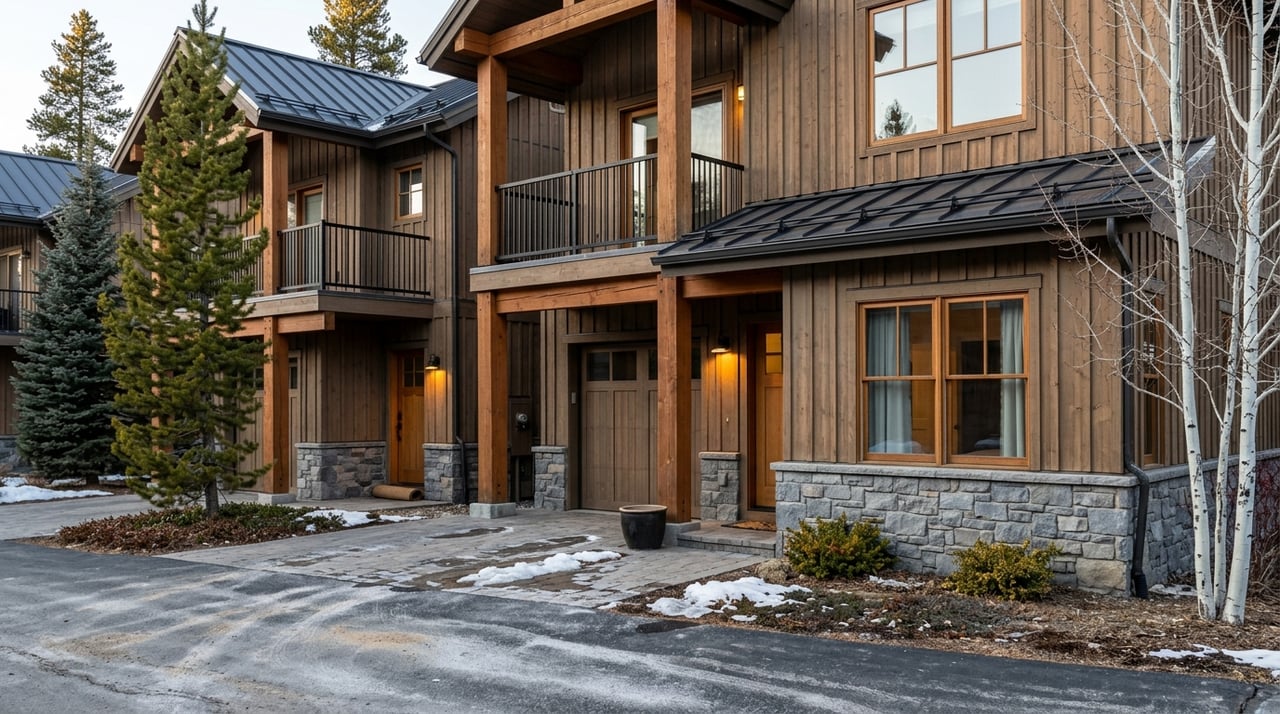
Big Sky Resort’s lodging inventory gives a clear picture of the market. Condos and townhomes are often positioned near Mountain Village, with many emphasizing walkability, quick access, or ski-in and ski-out convenience.
For many second-home buyers, that kind of setup is a major advantage. If your goal is to arrive, settle in quickly, and spend more time skiing or enjoying the area, a condo or townhome can make ownership feel simpler.
Easier Lock-and-Leave Living
A condo or townhome often works well if you do not plan to be in Big Sky full time. Shared maintenance structures can reduce some of the day-to-day exterior responsibilities that come with a detached home.
That makes these properties attractive for buyers who want a lock-and-leave lifestyle. You still need to understand the rules and fees, but the ownership model can be easier to manage from a distance.
Resort Proximity Can Save Time
In Big Sky, access matters. Big Sky Resort notes that the area is reached off Montana Highway 191, winter driving requires appropriate tires, parking can fill on busy days, and Uber and Lyft are not available locally.
That means a well-located condo may do more than shorten your walk to skiing. It may also reduce the friction of winter driving, parking, and getting around during peak periods.
Rental Readiness Can Be Strong
Madison County says Big Sky’s short-term rental market is thriving, and Big Sky Resort offers vacation-rental management for both condos and homes. Its management services include reservations, housekeeping, maintenance, security, accounting, and guest support.
For buyers who want rental potential, a condo or townhome can feel more plug-and-play, especially if the property is already in a location that guests recognize and use regularly. Still, you should always verify what the governing documents allow before assuming a rental plan will work.
Why Mountain Homes Appeal in Big Sky
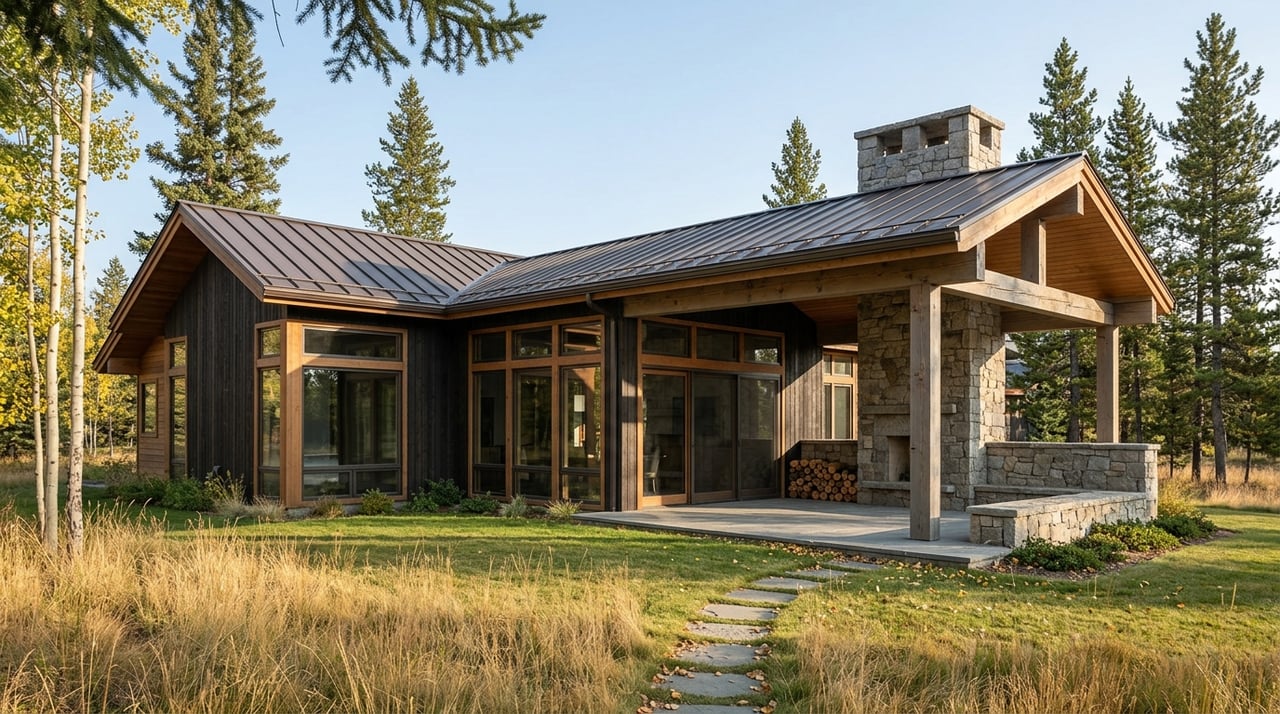
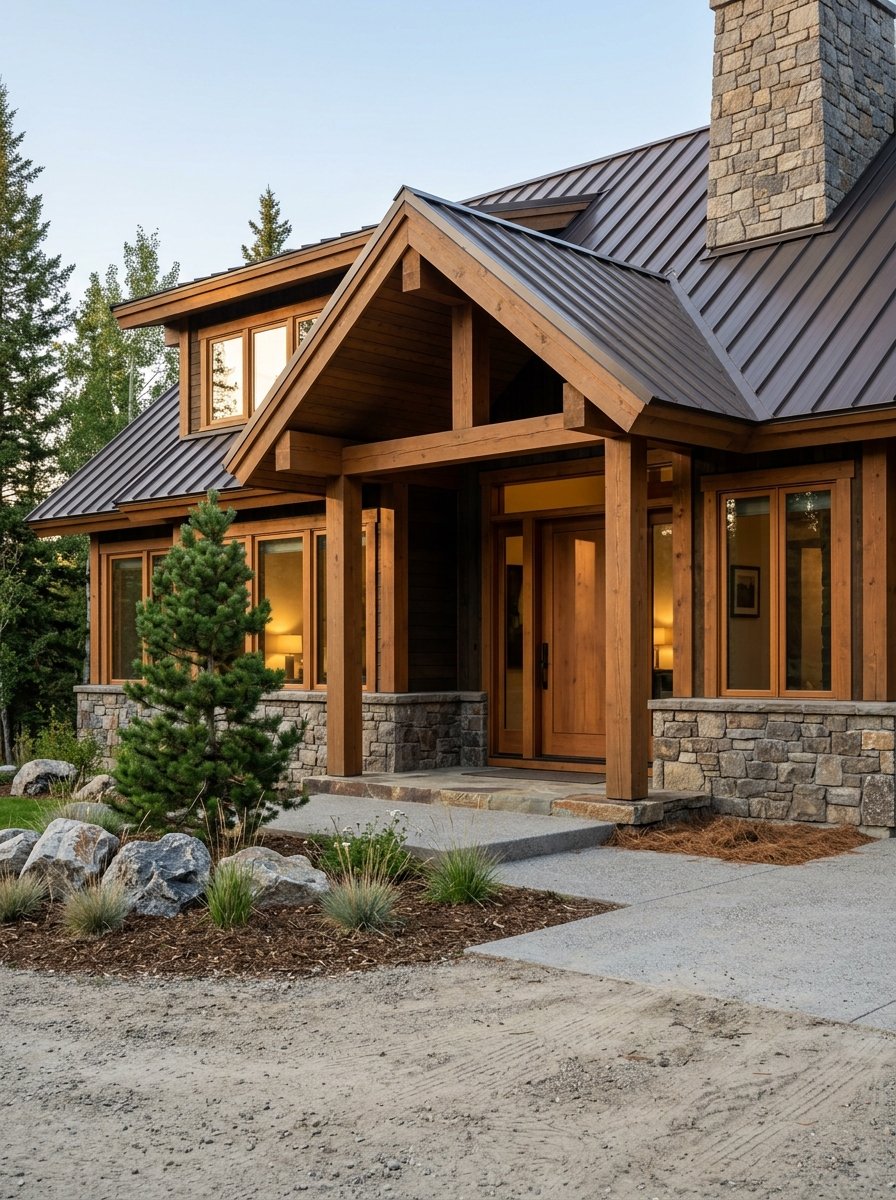
Detached homes offer a different kind of value. In Big Sky, private homes and cabins range from classic mountain retreats to large luxury properties with features like hot tubs, gyms, game rooms, and home theaters.
So if you picture a mountain home as only rustic or remote, Big Sky offers a broader reality. Many detached homes combine privacy and scale with high-end amenities and strong access to outdoor recreation.
More Privacy and Space
If you want room to spread out, host guests, or enjoy a quieter setting, a detached home often delivers more flexibility. Outdoor space, separation from neighbors, and a stronger sense of retreat are all common reasons buyers lean toward this option.
This can be especially appealing if you plan longer stays or want the property to feel more personal and less like a shared resort environment. For some buyers, that sense of space is the whole point of owning in Big Sky.
More Direct Control
A mountain home usually gives you more direct control over the site and how you use it. That can be a major benefit if you value customization, privacy, and the feeling of owning a standalone property.
The tradeoff is that more control often means more responsibility. Upkeep, access logistics, and ongoing maintenance may demand more planning than a condo or townhome would.
The Real Big Sky Tradeoff
In many markets, condo versus home is mostly a question of budget and size. In Big Sky, the better question is how you want ownership to feel.
If you want simpler logistics, easier resort access, and a more managed experience, a condo or townhome may be the better fit. If you want privacy, flexibility, and a stronger sense of place, a detached mountain home may be worth the added responsibility.
Questions to Ask Before You Tour
Before you start comparing listings, it helps to get clear on how you will actually use the property. A beautiful home can still be the wrong fit if it does not match your routine, travel habits, or ownership goals.
Ask yourself these questions first:
- How often will you use the property each year?
- Do you want to pursue rental income?
- How much maintenance do you want to handle yourself?
- What does the HOA cover, if there is one?
- Are there rental restrictions or minimum-stay rules?
- Which county and district is the parcel in?
That last point matters in Big Sky because the market spans more than one county. County jurisdiction can affect property-specific rules, taxes, and district assessments, so it is smart to confirm the details for the exact parcel rather than make assumptions based on the broader area.
Taxes and Property Details Need a Close Look
Montana law says each condominium unit is separately assessed and taxed, and the owner is also assessed for the unit’s percentage of undivided interest in the common elements. That is one more reason to review the exact property record carefully.
In Big Sky, tax and assessment details are property specific. Rather than assuming one neighborhood has a single tax picture, you should confirm the parcel, levy district, and legal description for the home or condo you are considering.
Which Option Fits You Best?
A condo or townhome may be the better choice if you want ski access, lower-maintenance ownership, and a property that may be easier to place into a managed rental program. This path often suits buyers who want to maximize convenience and minimize friction.
A detached mountain home may be the better choice if you value privacy, space, and more direct control over the property. This option often fits buyers who expect longer stays, more personal use, or a deeper connection to the setting itself.
The right choice is rarely about which property type is better in general. It is about which one fits the way you want to live in Big Sky.
If you want thoughtful guidance as you compare neighborhoods, ownership structures, and resort logistics, Michelle Horning offers the kind of locally rooted, concierge-level advice that can make your search more focused and more successful.
FAQs
What is the main difference between a Big Sky condo and a mountain home?
- In Big Sky, condos and townhomes usually offer more convenience, shared maintenance, and easier resort access, while detached mountain homes usually offer more privacy, space, and control.
How does Montana define a condominium in Big Sky?
- Under Montana law, a condominium is ownership of an individual unit together with an interest in common elements, and the term does not include a townhome or townhouse.
Are Big Sky townhomes the same as condos?
- No. Montana law treats townhomes and condos differently, and townhome owners generally hold separate title to the land beneath their units while sharing ownership of some common areas.
Are condos in Big Sky easier to manage from a distance?
- Often yes. Condo and townhome ownership structures usually involve shared maintenance and can support a more lock-and-leave lifestyle, which can be helpful for second-home owners.
Can both condos and mountain homes work as rentals in Big Sky?
- Yes, both property types can function as rentals, and Big Sky has a thriving short-term rental market, but you should verify county, district, and HOA rules for the specific property.
Why does location within Big Sky matter so much?
- Location can affect your winter driving, parking, and daily access because Big Sky relies on Highway 191, parking can fill on busy days, and Uber and Lyft are not available locally.
What should you review before buying a condo in Big Sky?
- You should review the declaration, bylaws, common elements, maintenance obligations, HOA coverage, common expenses, and any rental restrictions tied to the property.
Why should Big Sky buyers verify the exact county and district?
- Big Sky spans multiple county jurisdictions, so the exact parcel location can affect property-specific rules, taxes, and district assessments.