What does daily life in Big Sky actually feel like once you move beyond vacation mode? If you are thinking about buying, selling, or simply getting a clearer picture of this mountain community, it helps to understand that Big Sky changes in meaningful ways from season to season. Here, your routines, home setup, and social calendar all tend to follow the weather, the trails, and the mountain. Let’s dive in.
Big Sky Is A Four-Season Lifestyle
Big Sky sits between Bozeman and Yellowstone in the Madison Range, with access to alpine peaks, rivers, and surrounding wilderness. It is known as a year-round destination, but it also has a distinctly residential rhythm that becomes clearer when you look past the visitor highlights.
The Census profile lists 3,591 residents, 1,087 households, and 3,178 housing units across 120 square miles. That gap between households and housing units points to a notable part-time and seasonal-home presence, which is an important part of how the community feels throughout the year.
You will notice that Big Sky can feel lively and active in one season, then quiet and reflective in the next. That seasonal shift is part of the appeal for many buyers, especially if you want a place that feels connected to nature and a little removed from city pace.
Winter In Big Sky Feels Purposeful
Winter is the season many people picture first, and for good reason. Big Sky Resort reports 5,850 acres, 320 named runs, 40 lifts, 4,350 vertical feet, and about 400 inches of annual snowfall, which helps explain why snow shapes daily life here.
At the Big Sky 2 WNW NOAA station at 6,590 feet, winter temperatures stay cold. January averages 29.8°F for a high and 8.5°F for a low, while December and February stay in a similar range.
Daily Routines Center On Snow
In winter, mornings often start with weather checks, layers, and gear. Skiing and snowboarding anchor the season, but winter life in Big Sky also includes Nordic skiing, snowshoeing, snowmobiling, dog sledding, sleigh rides, snowcoach tours, winter fishing, and ice skating.
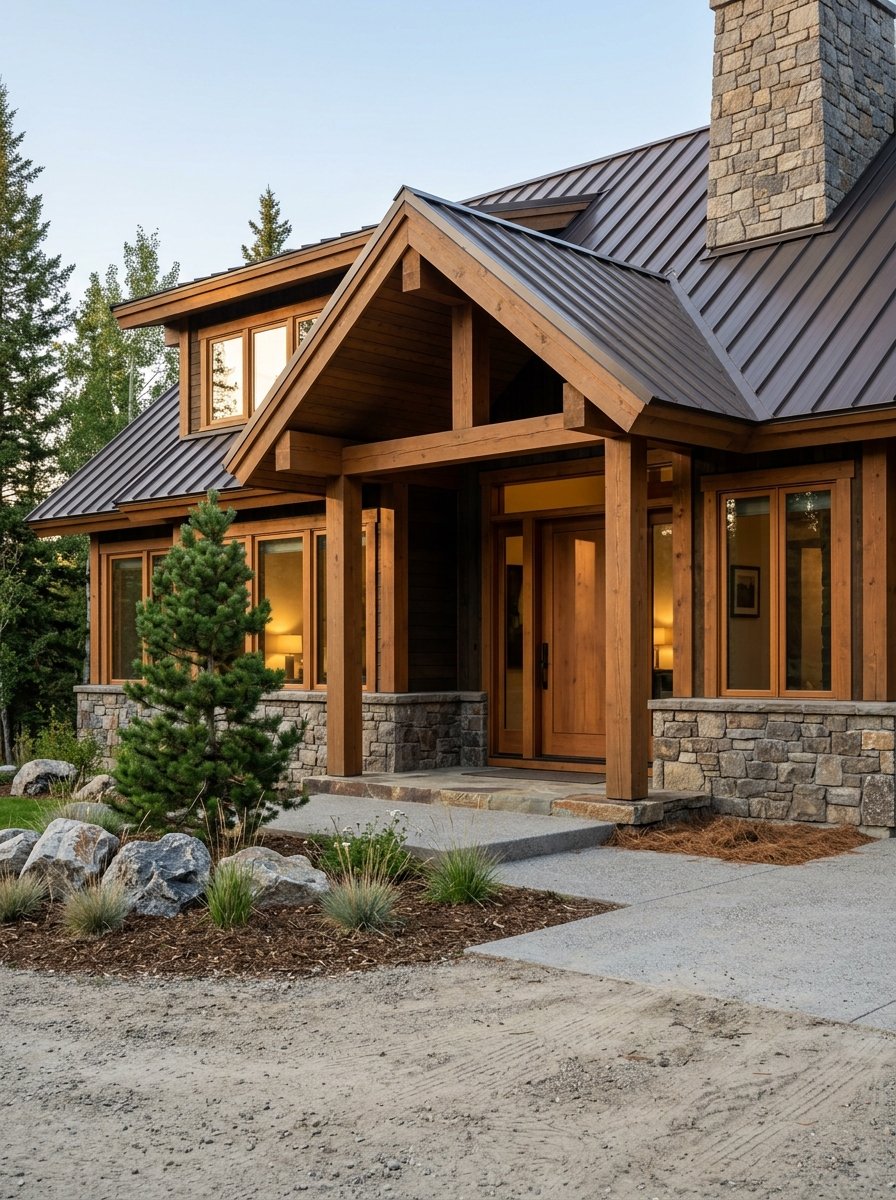
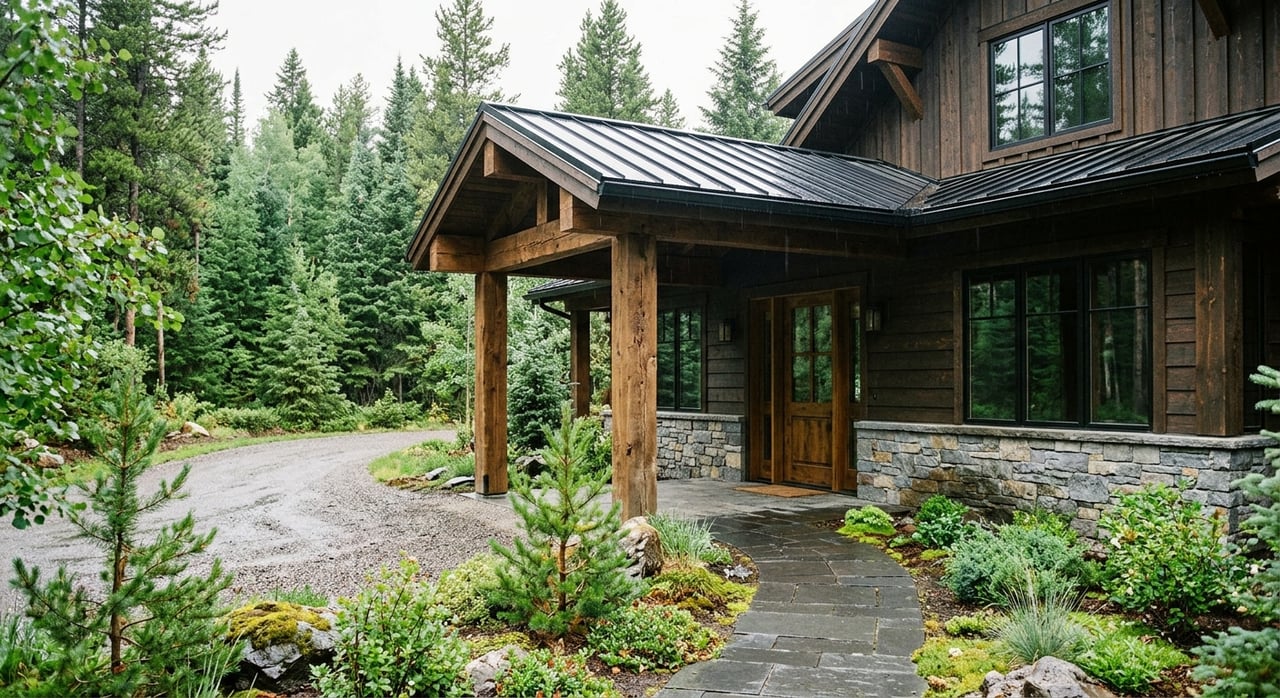
That means your home often works as a staging area as much as a retreat. Mudrooms, storage for outerwear, and a practical entry setup can matter a lot when your mornings begin below freezing and your afternoons end with snow-covered boots.
Evenings Feel Cozy And Social
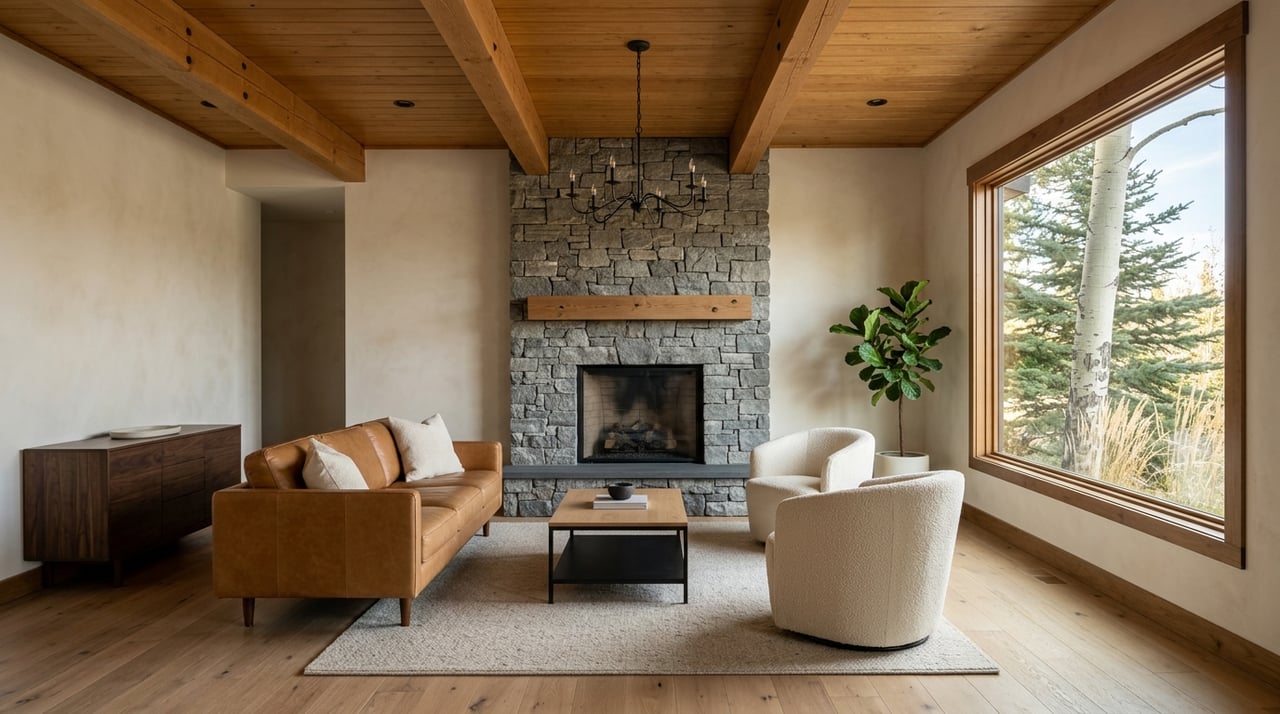
After time outside, indoor space starts to matter in a different way. Winter living tends to bring long evenings at home, which is one reason buyers often pay attention to fireplaces, gathering areas, and spaces that feel warm and comfortable after a day on the mountain.
Community life still stays active during the coldest months. Events like the Christmas Stroll and the Town Center ice rink add a social layer that keeps winter from feeling isolated, even when the weather is firmly in charge.
Spring In Big Sky Feels Flexible
Spring is a true shoulder season in Big Sky. Conditions can shift quickly, and that unpredictability becomes part of the lifestyle.
NOAA normals rise from 42.0°F and 16.6°F in March to 48.0°F and 22.5°F in April, then to 58.1°F and 30.0°F in May. As temperatures move upward, trail conditions can swing from snow and ice to mud as the thaw unfolds.
One Day Can Hold Multiple Seasons
Spring often asks you to stay flexible. You might ski in the morning, take a walk later in the day, and still want an indoor backup plan when the weather turns.
Visit Big Sky notes that March can be one of the best ski months, with longer days and a sunnier feel around the base area. Ousel Falls may still look frozen, while other parts of town begin to hint at the next season.
Homes Work Hard In Spring
This is the time of year when practical home features become especially noticeable. Boots by the door, easy-clean floors, storage for changing gear, and room to pivot between outdoor and indoor plans all support the flow of spring living.
The Spring Series in April helps keep the season social while the mountain transitions. Even in a quieter stretch of the calendar, there is still energy in town if you know where to look.
Summer In Big Sky Feels Expansive
Summer is often the most social and wide-open season for day-to-day life. The temperatures lift, the days feel long, and the outdoor options seem to multiply.
NOAA normals reach 66.8°F and 36.0°F in June, 77.6°F and 41.3°F in July, and 76.8°F and 39.2°F in August. Those mild daytime temperatures support a lifestyle that spills outdoors for much of the season.
Outdoor Living Becomes Daily Living
Summer in Big Sky includes hiking, mountain biking, horseback riding, and fly fishing. The Gallatin River corridor adds whitewater rafting, fishing, and a more unplugged feel on the way into town.
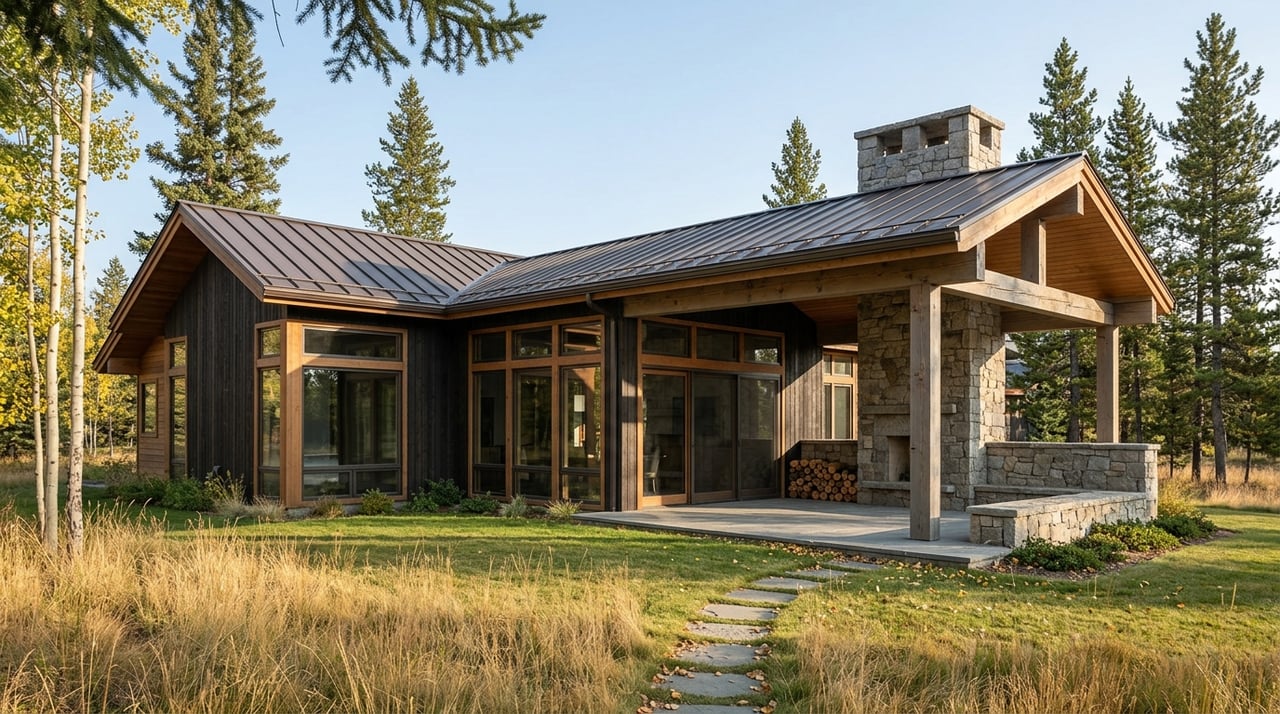
For many homeowners, this is when decks, patios, and large windows really earn their value. Summer living often means hosting guests, keeping trail gear close at hand, and making the most of easy access to the outdoors.
Community Life Peaks In Summer
The social calendar becomes especially active in summer. Music in the Mountains runs every Thursday from late June through early September, the Big Sky Farmers Market fills Wednesday evenings, and Len Hill Park in Town Center serves as a regular gathering spot for concerts and festivals.
Big Sky Resort’s golf course generally runs from mid-May through late September, adding another layer to the season. If you are considering a home here, summer gives you one of the clearest windows into how connected a property feels to the broader community.
Fall In Big Sky Feels Reflective
Fall brings a quieter version of Big Sky. After the activity of summer, the pace tends to slow, and the landscape starts nudging everyone toward winter preparation.
NOAA normals shift from 68.1°F and 33.4°F in September to 52.9°F and 24.7°F in October, then 36.9°F and 15.6°F in November. Visit Big Sky notes that fall hiking often requires layers because sunshine, rain, and sleet can all happen in the same day.
The Town Grows Quieter
Compared with summer, trails are often far less busy in fall. The Wednesday market continues in September, and golf remains open only as long as weather allows, but the overall tone becomes calmer and more introspective.
This can be a lovely season if you value space, stillness, and a more residential feel. You may find that Big Sky feels less like an event calendar and more like a place to settle into your home and routines.
Homes Shift Toward Winter Readiness
Fall is when many homeowners start covering outdoor furniture, bringing ski gear forward, and thinking ahead about winter readiness. Storage, covered entries, and comfortable indoor gathering spaces begin to matter more again.
It is also the season when you may notice how well a home supports year-round living instead of just peak-season enjoyment. In a place with real seasonal contrast, that balance can be a major part of long-term satisfaction.
What This Means For Buyers
If you are considering a move or second home in Big Sky, the key is to match the property to the season you expect to use most. A ski-focused condo may support one kind of lifestyle, while a custom home with generous outdoor space may shine most in summer and fall.
You will also want to think beyond square footage. Entry storage, access to trails, room for guests, indoor gathering areas, and ease of seasonal maintenance can all shape how a property lives in real life.
In a market with a meaningful part-time homeowner presence, it also helps to work with someone who understands the local rhythm. A home that looks great online is not always the same as a home that fits your day-to-day goals across all four seasons.
What This Means For Sellers
If you are selling in Big Sky, seasonality matters in how buyers experience your property. In winter, they may focus on warmth, storage, and convenience after a day outside. In summer, they may notice decks, views, natural light, and how easily the home supports guests and outdoor living.
That is why thoughtful presentation matters. The strongest marketing helps buyers picture not just the property itself, but also the lifestyle it supports throughout the year.
A relationship-driven, locally informed approach can make a real difference here. Buyers in Big Sky are often choosing a lifestyle as much as an address, and clear storytelling around that lifestyle can help your home stand out.
If you want guidance tailored to Big Sky’s seasonal market and unique neighborhoods, Michelle Horning offers boutique buyer and seller representation with deep local knowledge and a high-touch approach.
FAQs
What is winter like for full-time living in Big Sky?
- Winter in Big Sky is cold and snow-centered, with average January temperatures around 29.8°F for highs and 8.5°F for lows, so daily life often revolves around gear, storage, and warm indoor spaces.
What does spring feel like in Big Sky, Montana?
- Spring feels transitional and flexible, with conditions that can shift from snow and ice to mud, and temperatures warming from March through May.
What is summer living like in Big Sky?
- Summer feels long, social, and outdoorsy, with mild daytime temperatures, activities like hiking and biking, and regular community events in Town Center.
How does fall feel in Big Sky for homeowners?
- Fall feels quieter and more reflective, with fewer crowds, cooler temperatures, changing trail conditions, and a growing focus on winter preparation.
Is Big Sky mainly a full-time community or a second-home market?
- Census figures showing 1,087 households and 3,178 housing units suggest Big Sky has a meaningful seasonal-home and part-time ownership presence.
Why does seasonality matter when buying a home in Big Sky?
- Seasonality matters because the way a home functions can change a lot through the year, from ski storage and mudrooms in winter to decks, guest space, and trail access in summer.